


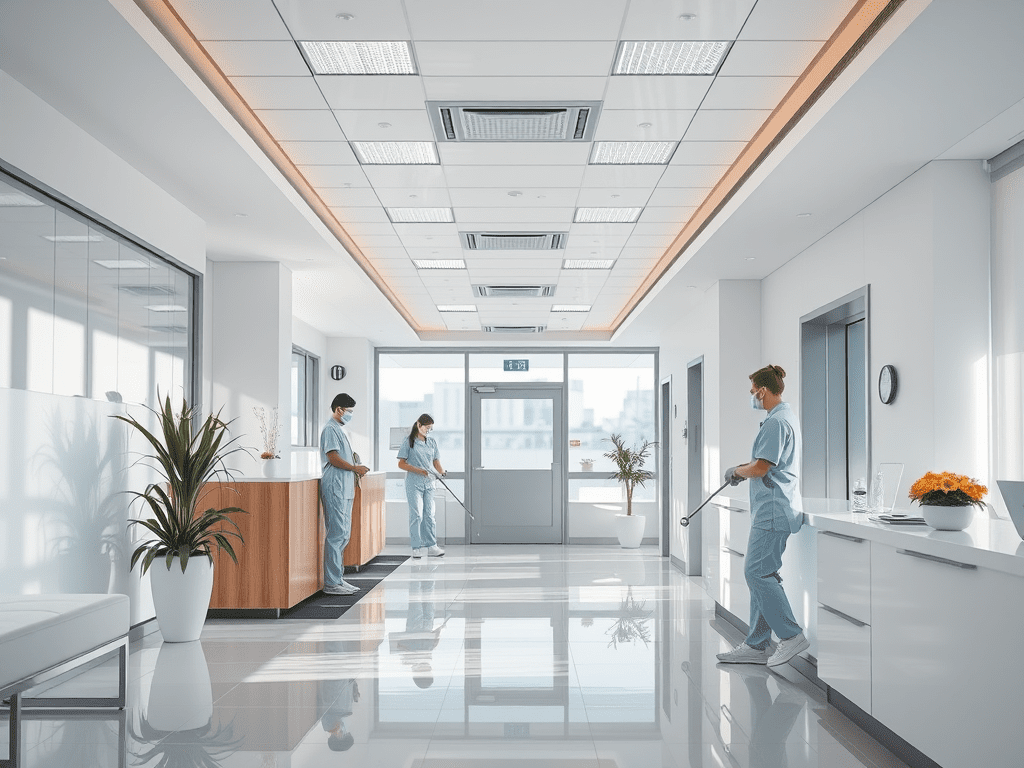

In the healthcare industry, cleanliness is an important element of service delivery. Beyond mere aesthetics, a clean and hygienic facility plays a pivotal role in shaping patient perceptions and experiences. Cleanliness in healthcare facilities instills trust. It also affects overall well-being. These factors profoundly influence how patients perceive the quality of care they will receive.
First Impressions Last
Indeed, cleanliness in healthcare settings is far more than a surface-level concern. Every patient expects a healthcare establishment to maintain high cleanliness standards. This applies to primary, secondary, or tertiary facilities. After all, it’s a place where one can expect to get better. Patients should not pick up germs that can further make them sick.
The implications of maintaining a clean environment resonate deeply with patient perceptions and their overall healthcare journey. Moreover, for any healthcare facility, it is crucial to meet or exceed this expectation of cleanliness. This is important for retaining patients and attracting new ones.
Below are just a few crucial ways that cleanliness can directly affect how patients view a healthcare establishment:
Building Trust and Confidence
Patients want a clean environment when they step into a healthcare facility. They desire an atmosphere that exudes professionalism and care. The cleanliness reflects an institution’s commitment to providing optimal care, building trust and confidence among patients and their families.
An initial positive impression sets the tone for a patient’s entire healthcare experience. Cleanliness showcases professionalism and attention to detail. This indicates that the healthcare facility cares about every aspect of patient experience.
Association with High-Quality Care
For many patients, cleanliness is synonymous with quality. A spotless environment signifies an institution’s dedication to excellence. It conveys the message that every aspect of patient care—from equipment to treatments—is held to high standards. This heavily influences not just their opinion about the establishment but also how they feel about the care they received.
Enhanced Comfort and Well-being
A clean and sanitized environment contributes to a patient’s comfort and sense of well-being. In the often-anxious atmosphere of medical settings, a tidy and hygienic space can alleviate stress and anxiety. A patient can feel more positive about their healing. This is due to a clinic or hospital’s clean and welcoming ambiance.
Infection Prevention and Safety
One of the primary concerns in healthcare settings is the spread of infections. A clean environment is pivotal in mitigating this risk. Patients will obviously feel safer in facilities that maintain rigorous cleanliness standards. This is particularly true for those with compromised immune systems. The assurance of lower risks of infection is a significant factor influencing patient perceptions.
Last but certainly not least, a clean healthcare facility is likely to enjoy positive word of mouth. Patients often share their experiences with friends and family, which can enhance a hospital’s reputation within the community.
How Cleanliness Can Be Achieved and Maintained:
Maintaining cleanliness in healthcare facilities requires a comprehensive approach and continuous efforts. It involves stringent protocols, rigorous hygiene measures, and meticulous attention to detail.
Thus, it’s best to leave medical cleaning to professional hospital cleaners like Niagara Regional Cleaning. The experts handle the job. Facility managers and safety officers can rest assured of quality results. Everything is taken care of in the most efficient way.
With all that said, here are key considerations in achieving and maintaining high standards of cleanliness in hospitals and clinics:
Robust Cleaning Protocols
It’s important to implement and adhere to stringent cleaning protocols in healthcare facilities. In particular, regular disinfection of surfaces, equipment, and common areas is crucial in preventing the spread of infections.
There should be a separate set of cleaning protocols for specific situations. For example, during public health emergencies, these protocols require extra attention and care.
Staff Training and Awareness
Another crucial factor in keeping a healthcare facility clean and hygienic at all times is staff training and awareness. It is easier to preserve an establishment’s pristine condition when every staff member understands the importance of cleanliness. Proper hygiene practices play a key role.
Continuous training plays a vital role. It ensures that all staff members are committed to upholding both the latest cleanliness standards. Staff are also dedicated to implementing the best practices in healthcare.
Use of Advanced Technology and Tools
Advanced cleaning technologies and tools can strengthen efforts to maintain a clean environment in healthcare. Examples include UV sterilization, HEPA filters, and antimicrobial surfaces.
Engaging Patients in the Process
Encouraging patients to maintain cleanliness involves promoting proper hand hygiene. Providing feedback channels creates a collaborative approach toward a clean environment. When patients feel more like stakeholders, they engage more actively. They become more willing to participate in your efforts to promote cleanliness.
Cleanliness stands as one of the strongest foundations in shaping patient perceptions within healthcare settings. It’s not a secondary aspect. It is a vital component that influences trust, comfort, and safety. It also affects the overall perception of care quality. Healthcare facilities that prioritize and consistently maintain high cleanliness standards are more likely to create positive patient experiences. They create a culture of trust and excellence in healthcare delivery. Phone Niagara Regional Cleaning today at 289-700-2162 for a free, customized quote for professional medical office cleaning.